Plumbers in St. Paul, Oregon
St. Paul is a historic village on the French Prairie inside a bend of the Willamette River, a small church-centred town core, farm and hop ground on the river bottom around it, and acreage residences on wells and septic throughout.
24/7 dispatch across Saint Paul, the village core, the river-bottom farm roads, and the acreage properties across the prairie bend.
What plumbing is like in St. Paul
St. Paul is a village of a few hundred inside a broad bend of the Willamette River, at the western edge of the French Prairie. The core is small and old, a church, a school, a few blocks of houses, and the area beyond it is farm ground: hops, grass seed, row crops, and acreage residences with barns and shops.
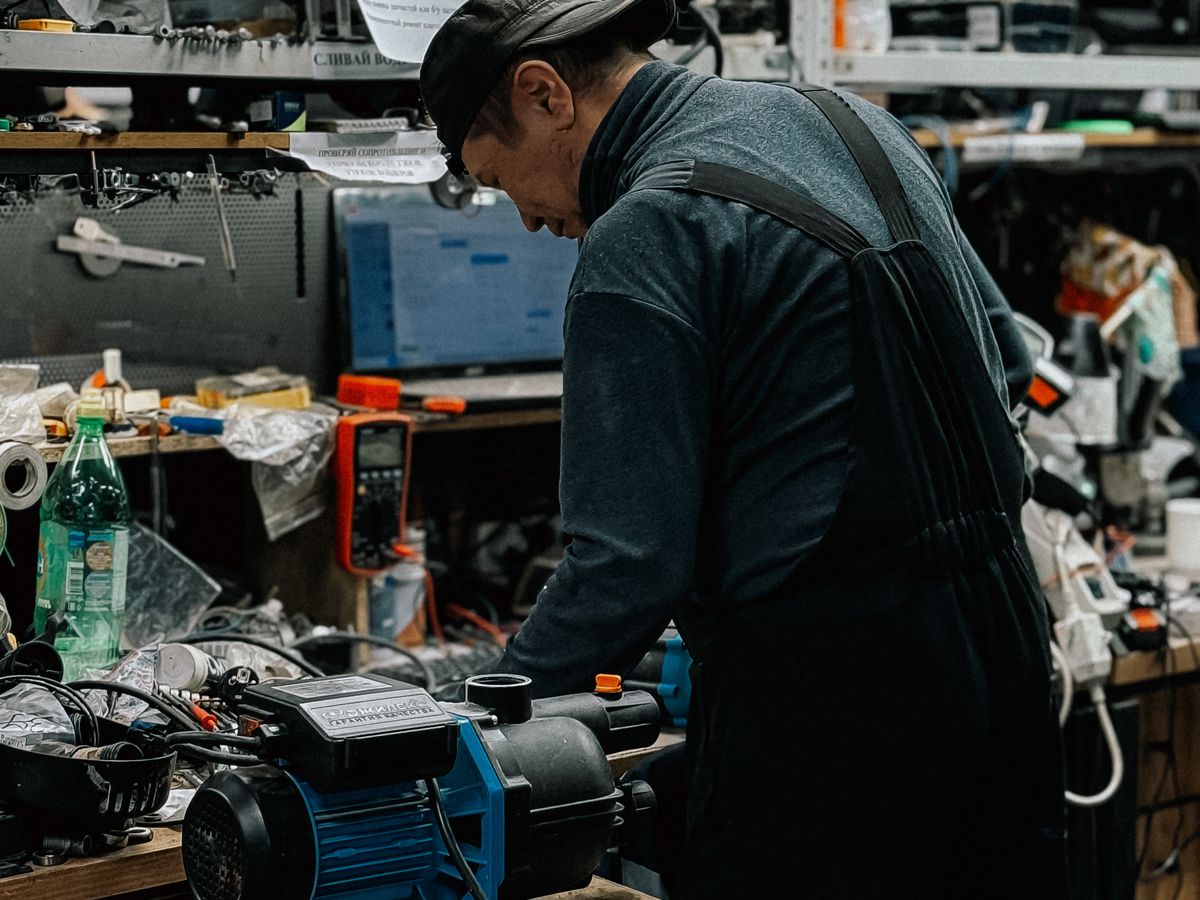
Almost everything here is on private water and waste. Wells, pressure systems, treatment and septic make up the majority of our work, and the failure modes are the rural ones: a component failure means no water at all rather than reduced service, and outdoor infrastructure carries most of the risk.
The river is the defining local condition. River-bottom soils hold water, the winter table comes up close to the surface across much of the low ground, and parts of the area have genuine flood history. In plumbing terms that means damp crawl spaces from November through April, sump pumps that matter, corrosion on anything metal under a house, and drain fields with too little separation from groundwater in a wet winter.
Freeze exposure is the valley-floor standard, but the sheer volume of outdoor plumbing on farm property means winter still produces our heaviest call load, hydrants, well houses, shop lines and irrigation are the recurring casualties.
Wells, pressure and water quality
A St. Paul water system is typically a submersible pump, pressure tank, pressure switch, sediment filtration and often iron or hardness treatment. Diagnosis in cost order keeps the bill sensible, because the expensive component is rarely the first cause of the symptom.
Short-cycling and pressure complaints usually trace to a pressure tank that has lost its air charge or has a torn bladder, a worn pressure switch, or a sediment filter nobody has changed. Cheap parts, and urgent, because pumps fail on cycle count. A pump switching on and off through a single shower is being destroyed, and a tank repair deferred becomes a pump replacement.
Complete loss of water is more often electrical than mechanical: a breaker, a control box or capacitor, a dead pressure switch, or an outage. Air and sputtering at the taps point toward water level or the drop pipe. Gradual decline across all fixtures suggests a worn pump, a clogged filter housing or a fouled screen. We measure amp draw, static level and drawdown before recommending pump work, because pulling a healthy pump is an expensive way to rule it out.
Shallow wells are worth a specific note here. On river-bottom ground some older properties draw from relatively shallow water, which is more susceptible to surface influence, turbidity after heavy rain, seasonal quality changes, and in flood conditions genuine contamination risk. A well that has been inundated needs disinfection and testing before the household drinks from it, not an assumption that it will clear on its own. We say so plainly, because that is a health matter rather than a comfort one.
On routine quality, prairie and river-bottom groundwater commonly carries iron and hardness, sometimes manganese, occasionally a sulphur smell. Iron stains orange, manganese stains dark, hardness scales heaters and spots fixtures. Iron filtration, softening and manganese treatment are three different things and not interchangeable, we test, explain the numbers, and specify a train in the correct sequence rather than defaulting to a softener.
St. Paul · 24/7 live dispatch
Get a Plumber DispatchedWhere we cover in St. Paul
St. Paul is a small community and we cover all of it, the village core, the river-bottom farm roads, and the acreage and farm properties across the prairie inside the Willamette bend.
Saint Paul · the French Prairie · Champoeg · Newberg · the Willamette River
Same-day and emergency response in St. Paul
Get a Plumber DispatchedFlood ground, crawl spaces and sumps
Parts of the St. Paul area have real flood history, and much more of it has a winter water table close to the surface. Both matter for plumbing in ways that are easy to underestimate.
The everyday version is damp crawl spaces from November through April. Pipe strapping and hangers rust and fail. Water heaters standing in damp spaces corrode from the base and fail years early. Pipe insulation stops insulating once it is wet, which quietly removes freeze protection while still looking adequate, a common reason properties here freeze despite being insulated.
The severe version is inundation, and the plumbing consequences deserve to be stated clearly. A well that has been submerged is presumed contaminated until disinfected and tested. A water heater that has been underwater is replaced, not dried out, controls, burners and insulation do not recover. A septic tank and drain field that have been submerged need to be assessed before the system is loaded again, because pumping a full tank in saturated ground can float it. None of that is what anyone wants to hear after a flood, but guessing wrong on any of it is worse.
Sump pumps are the practical tool for the manageable version. The mistakes we correct are consistent: no backup on a pump serving a space where failure matters, a discharge terminating too close to the foundation so the water returns, a discharge that freezes shut at the outlet and backs up, and a pump untested since installation. We check the float, verify the check valve, confirm the discharge routes well clear and cannot freeze closed, and recommend a battery backup where the consequences justify it.
Where a plumbing symptom is really a water management problem, grading, drainage, vapour barrier, we say so. That work belongs to a different trade, and selling plumbing to fix drainage would be dishonest and ineffective.
Septic on river-bottom soils
Every property outside the village core is on septic, and river-bottom soils are among the least forgiving in the valley. They hold water, they percolate slowly, and the winter table can leave a drain field with too little separation from groundwater for months. A field that performs adequately in September can fail outright in February.
Symptoms present as plumbing symptoms: every drain slow at once, gurgling toilets, backups that clear and return within days, soft or unusually green ground over the field, odour near the tank. Determining whether the fault is in the building sewer, at the tank, in a pump chamber or in the field is the whole job, because those are four repairs at four very different prices.
We handle the plumbing scope, the line from the house to the tank, risers and baffles, effluent filter service, pump chamber and float switch work, interior drain and vent problems, and refer tank pumping and drain field replacement to the specialists while telling you plainly which you need.
Prevention is what protects a marginal field. Pump every three to five years rather than in a crisis. Clean the effluent filter more often. Keep vehicles, tractors and trailers off the field, which takes real discipline on a farm. Be realistic about wipes, grease and heavy disposal use. And fix running toilets immediately, because hundreds of gallons a day of clean water into a saturated field is the fastest way to destroy the expensive part of the system.
Hydrants, outbuildings and buried lines
On a St. Paul farm property the plumbing extends well past the house: buried runs to barns, shops and equipment yards, yard and stock hydrants, irrigation mains and valve manifolds, and often a second dwelling on the same well. All of it is exposed to frost depth, settling, rodents and equipment traffic.
Yard hydrants are the most frequent outdoor repair. A frost-proof hydrant shuts off below the frost line and drains its riser; when the drain weep hole plugs with sediment, water stands in the riser and the next hard freeze splits it. Rebuilding or replacing the head is straightforward; replacing a riser cracked below grade means excavation, which is why autumn servicing pays for itself.
Buried line leaks are invisible. Water follows the trench and surfaces somewhere unrelated, or nowhere at all. The tells are a pump that cycles with nothing running, pressure declining over weeks, or an unexplained rise in power use. On several hundred feet of buried line we isolate sections and pressure test them individually rather than guessing where to dig.
Distance costs pressure too. An undersized run to a barn or a far hydrant loses pressure at the end, and the well takes the blame when the real fix is a larger line or a properly configured pressure system. We measure static and flowing pressure at multiple points before anyone spends money on a pump. Where irrigation or chemical injection meets potable supply, backflow assemblies need testing, service and winterizing, and we are direct when one is past repair.
Freeze exposure and winter prep
St. Paul gets the valley-floor freeze, a few nights in the low twenties most winters, harder in an east-wind event, and the farm infrastructure takes the damage. Well houses without verified heat, exposed pipe and tanks in unheated shops and barns, hydrants with plugged drains, hose bibs with hoses attached, irrigation and backflow assemblies left charged, and shallow buried runs make up the annual list.
The wet-ground wrinkle matters here: insulation that has spent years in a damp crawl space or an unheated barn provides little protection while looking fine. We check its condition rather than assuming presence equals protection, and replace it rather than adding more on top.
Autumn prevention: insulate the well house and verify the heat source works before the first cold night, wrap exposed pipe, tanks and filter housings, service hydrants so their drains function, disconnect hoses, drain and blow out irrigation including manifolds and backflow assemblies, and fit thermostatic heat tape to any run with a freezing history while confirming it energises.
When something freezes, the flood arrives at the thaw. Find and close the shutoff, open a low fixture to relieve pressure, thaw deliberately from the warm end toward the cold with the valve in reach, and never with a torch. During freeze events we extend dispatch hours and triage by active water, so be direct about whether water is running right now.
Wells, septic, flood recovery and hydrants
Get a Plumber DispatchedThe work St. Paul generates most
- Well pump & water system service
- Septic system plumbing
- Water filtration & treatment
- Sump pump repair & installation
- Outdoor hose bib repair
- Frozen pipe repair
- Main water line repair
- Leak detection
Nearby communities
St. Paul is covered by our French Prairie crews, alongside the river and prairie communities nearby.
St. Paul plumbing, answered
Presume it is not until it has been disinfected and tested. A submerged well is treated as contaminated; that is a health matter, not a comfort one. Do not rely on it clearing by itself. We can shock-disinfect the system and tell you what to test for before the household drinks from it.
No. Controls, burners, gas valves and insulation do not recover from submersion, and a heater that appears to work afterwards is not safe to rely on. It gets replaced. The same applies to any control panel or pump controller that went under.
Usually not yet. Short-cycling almost always starts with a pressure tank that has lost its air charge or has a torn bladder, or a worn pressure switch, cheap parts. But pumps fail on cycle count, so leaving it alone converts an inexpensive repair into a pump replacement.
No. Orange staining is iron, which needs filtration, a softener treats hardness and its resin fouls on iron. Dark staining is manganese and needs its own approach. We test and specify a treatment train in the right sequence rather than installing a default softener.
Sometimes managed rather than fixed. On river-bottom soils the winter table can leave a field with too little separation from groundwater for months. We first confirm the fault is the field rather than the building sewer, the tank or a pump chamber, then tell you honestly which it is.
Because insulation that has spent years in a damp crawl space or unheated barn stops insulating while still looking adequate. We check its condition rather than assuming its presence is protection, and replace rather than adding more on top of wet material.
Talk to a person, not a form
Call 1-866-203-6890No water, flood damage, or a septic backing up in St. Paul?
Dispatch answers 24 hours a day, including holidays. Tell us what is happening and we will get a farm-experienced plumber headed your way.
St. Paul · 24/7 dispatch
Call 1-866-203-6890