Plumbers in Happy Valley, Oregon
A largely new city built up the slopes of Scouters Mountain and Mount Scott, which makes pressure, elevation and equipment the plumbing story here, not old pipe.
Happy Valley, Clackamas, Damascus and the east Clackamas County hills. Dispatch answers 24/7.
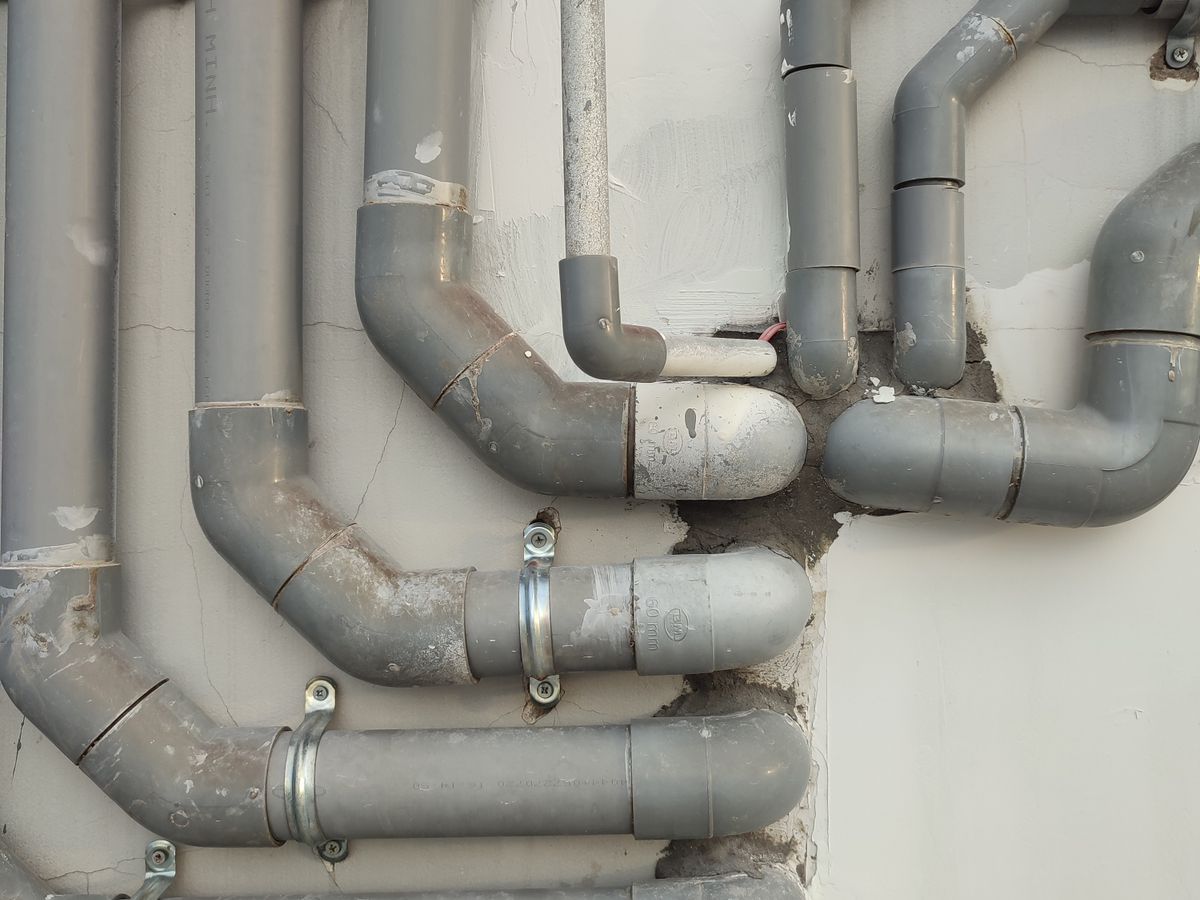
What plumbing is like in Happy Valley
Happy Valley is one of the newest cities in the metro, and that inverts the usual Oregon plumbing list.
There is very little galvanized supply, very little cast iron drainage and almost no Orangeburg. Instead, the housing stock is dominated by houses built from the mid-1990s onward, many of them large, on sloped ground, with more fixtures, more appliances and more equipment per house than anywhere older.
So the calls change shape. Instead of failing pipe, we deal with pressure, equipment on a synchronised age curve, hillside drainage and sewage lifting, and the specific problems of houses with three or four bathrooms, a tankless heater, a recirculation loop, an irrigation system and a finished lower level.
None of that makes a newer house trouble-free. It makes its failures different, and it makes prevention worth more, because a leak inside a finished house with expensive finishes costs far more than the same leak in a bare crawl space.
Pressure is the local problem
If you read one section, read this one. Hillside water systems have to deliver adequate pressure to the highest houses in a zone, which means houses lower on the slope can sit well above the pressure they should.
Static pressure above 80 psi is not a bonus. It is a slow tax on every fixture, valve and appliance in the building: toilet fill valves that weep, faucet cartridges that fail early, washing-machine hoses that burst, relief valves that drip, water hammer, and water heaters that work harder than they were designed to. A great many "unlucky" houses are simply overpressured houses.
Three things fix it. A pressure gauge on a hose bib, which costs almost nothing and answers the question in two minutes. A pressure reducing valve, which most houses here have, and which is a wearing part with a service life, not a permanent fixture; a PRV that has never been tested in twenty years is not doing what you think it is. And a thermal expansion tank, which a regulated closed system requires and which is missing or dead in a surprising number of houses, and is the usual reason a relief valve weeps.
Where pressure varies day to night, high in the small hours, adequate in the evening; that is a system-side pattern and it is exactly what a failing regulator lets through.
A PRV is a wearing part, not a permanent fixture.
Call Now: 1-866-203-6890Where we cover in Happy Valley
Happy Valley coverage spans the Scouters Mountain and Mount Scott slopes and the newer neighborhoods around them.
Happy Valley · Scouters Mountain · Mount Scott · Clackamas · Damascus
All of Happy Valley, the whole hillside.
Get a PlumberA house full of equipment
Newer houses fail on hardware, and because subdivisions were built in phases, whole streets reach the same milestones together.
Tank water heaters at eight to twelve years, and where the tank sits in a garage or a closet above finished space, a working pan with a real drain is the difference between an inconvenience and a ceiling. Tankless heaters, common here, need annual service: descaling, filter cleaning and combustion checks. They are excellent units that fail early when treated as maintenance-free.
Recirculation systems deliver instant hot water and quietly add wear, because water is moving through the loop constantly. Pumps, timers and check valves are the parts that go, and a loop running 24 hours a day rather than on a schedule is wasting energy and shortening its own life.
Fixture-level items arrive in waves too: fill valves, cartridges, disposals, dishwasher and washing-machine supply lines. Braided steel lines and quarter-turn stops at every fixture are cheap and they contain the failure when it comes.
Water quality is straightforward, metro water is soft to moderately hard, so a softener is rarely justified here. If someone has quoted you one, ask to see a hardness test from your own tap. Chlorine taste is handled by carbon at the kitchen tap.
Hillside drainage and ejectors
Slope changes waste plumbing. Where a lower level sits below the sewer or septic connection, waste has to be lifted, and that means a sewage ejector or grinder pump in a basin.
Those systems are reliable until they are neglected. The failure modes are a stuck float, a check valve holding open so effluent returns to the basin, an alarm that was disconnected because it was annoying, and wipes or hygiene products binding the impeller, the single most common cause of a call-out. Test the alarm, know where the basin is, and treat "flushable" wipes as unflushable.
Footing and perimeter drains matter more on a slope than on the flat, because water arrives from above. When a lower level gets damp, the useful first step is distinguishing groundwater from a plumbing leak, they look identical on a wall and have completely different repairs. Leak detection answers it without opening finishes on a guess.
Where a lower-level bathroom or laundry exists, a backwater valve is worth discussing: it protects the lowest fixtures if the public line surcharges during heavy rain.
Irrigation and outdoor plumbing
Most houses here have an irrigation system, and irrigation is where two seasonal problems live.
First, backflow protection. An irrigation system is a connection between household drinking water and ground-level sprinkler heads, and the assembly preventing reverse flow needs to exist and to be tested rather than assumed.
Second, freeze. Metro winters are mild but not harmless, and the annual casualties are predictable: hose bibs, above-ground irrigation risers, backflow assemblies and unheated garage walls. Blow the system out in autumn, isolate and drain the backflow device, and disconnect every hose, a frost-free bib with a hose attached cannot drain and splits inside the wall, which is worse than an ordinary one splitting outside it.
The classic call is a split bib that froze in December, leaked nothing all winter because the ice was also a seal, and then discharged into a wall at full pressure the first time someone opened it in spring.
Wipes are the most common ejector failure.
Book Ejector ServiceThe work Happy Valley generates most
- Water pressure regulator
- Tankless water heater installation
- Water heater repair
- Sump pump repair & installation
- Leak detection
- Basement water leak diagnosis
- Faucet & fixture installation
- Freeze protection & winterization
Nearby communities
The east Clackamas County hills and the inner metro run off the same dispatch line.
Happy Valley plumbing, answered
Because above 80 psi it is damaging the house slowly. Overpressure is behind a whole class of repeat failures, weeping fill valves, burst washing machine hoses, early cartridge failures, dripping relief valves and water hammer. A gauge on a hose bib tells you the number in two minutes.
It is a wearing part with a service life measured in years, not decades. A PRV that has never been checked is a common cause of pressure that reads high in the small hours and normal in the evening. Testing it is quick; replacing it is far cheaper than the failures it causes.
Most often a missing or failed thermal expansion tank. On a regulated closed system, heated water has nowhere to expand into, so pressure spikes and the relief valve does its job. The tank is the fix; the dripping valve is the symptom.
Yes. Descaling, filter cleaning and a combustion check. Tankless units are excellent when serviced and expensive when not, scale on the heat exchanger reduces flow and efficiency and shortens the unit's life considerably.
Most often wipes or hygiene products binding the impeller, then a stuck float or a check valve holding open so effluent returns to the basin. Treat everything labelled flushable as unflushable, keep the alarm connected, and have the basin serviced rather than waiting for the next alarm.
They look identical on a wall and have completely different repairs, which is why guessing is expensive. Leak detection distinguishes a supply or drain leak from water arriving through the slab or footing without opening finishes to find out.
Damp lower level? Find out which kind of water it is.
Book Leak DetectionNew houses, hillside problems
Happy Valley and the east Clackamas hills, with contractors who treat pressure, tankless service and sewage lifting as the local specialities they are.
Happy Valley · 24/7 dispatch
Call 1-866-203-6890